What happens if you don't treat seborrheic dermatitis?
Seborrheic dermatitis generally doesn't cause hair loss. However, excessive scratching can injure your hair follicles, resulting in some hair loss. In addition, the extra sebum associated with seborrheic dermatitis can trigger an overgrowth of malassezia.
Is seborrheic dermatitis serious?
Seborrheic dermatitis causes no serious harm to the body, including the hair. It appears as red, dry, flaky, itchy skin on the scalp and other parts of the body and is common but not contagious. Its presence doesn't mean the skin is unclean or infected. Medications manage the symptoms.
Does seborrheic dermatitis go away without treatment?
Seborrheic dermatitis may go away without treatment. Or you may need many repeated treatments before the symptoms go away. And they may return later. Daily cleansing with a gentle soap and shampoo can help reduce oiliness and dead skin buildup.
Will I have seborrheic dermatitis forever?
Seborrheic dermatitis will sometimes clear up by itself. But often, it's a lifelong issue that clears and flares. You can usually control it with good skin care.
Seborrheic Dermatitis (Dandruff and Cradle Cap) Causes, Risk Factors, Symptoms, Diagnosis, Treatment
Why did I develop seborrheic dermatitis?
An inflammatory reaction to excess Malassezia yeast, an organism that normally lives on the skin's surface, is the likely cause of seborrheic dermatitis. The Malessezia overgrows and the immune system seems to overreact to it, leading to an inflammatory response that results in skin changes.
What kills seborrheic dermatitis naturally?
In addition to taking medicine, there are a few home remedies that may help seborrheic dermatitis:
- Apply coconut oil to your scalp. ...
- Use tea tree oil. ...
- Put honey in your hair. ...
- Wash your skin with apple cider vinegar. ...
- Take fish oil supplements. ...
- Avoid styling products. ...
- Try baby shampoo. ...
- Change up your diet.
What kills seborrheic dermatitis?
The mainstay of treatment for seborrheic dermatitis is frequent cleansing. Medicated soaps or shampoos containing zinc pyrithione, selenium sulfide, ketoconazole, sulfur, salicylic acid or tar give additional benefit. These should be applied to the affected area and left on for 5-10 minutes before being rinsed off.
How long can seborrheic dermatitis last?
Outcome. Infant: Seborrheic dermatitis often completely disappears by 6 months to 1 year of age. Adolescent or adult: A few people see seborrheic dermatitis clear without treatment.
Can seborrheic dermatitis spread?
Seborrheic dermatitis may also spread to other parts of the body, most commonly above the breastbone and on the back near the thoracic spine. Fold of skin may be affected too – for example, under the breasts, or in the armpits or groin area. In men, the patches may also occur in the genital region.
Should I wash my hair everyday if I have seborrheic dermatitis?
The most important thing you can do to get rid of and prevent seborrhea is to wash your hair every day. This may be a problem for many people, but daily hair washing is important if seborrhea is to be controlled. There are some people who shampoo once per week or once per month and never get seborrhea.
Does seborrheic dermatitis make you tired?
It sometimes affects the armpits, chest and in the groin area. Most people with it complain of dandruff, especially on the back and sides of the scalp (bad dandruff bad dandruff is usually seborrheic dermatitis). Stress, fatigue, weather extremes, oily skin and infrequent shampooing or skin cleaning make it worse.
How do you stop seborrheic dermatitis from spreading?
Other home remedies
- Soften and remove scales from your hair. ...
- Wash your skin regularly. ...
- Apply a medicated cream. ...
- Avoid styling products. ...
- Avoid skin and hair products that contain alcohol. ...
- Wear smooth-textured cotton clothing. ...
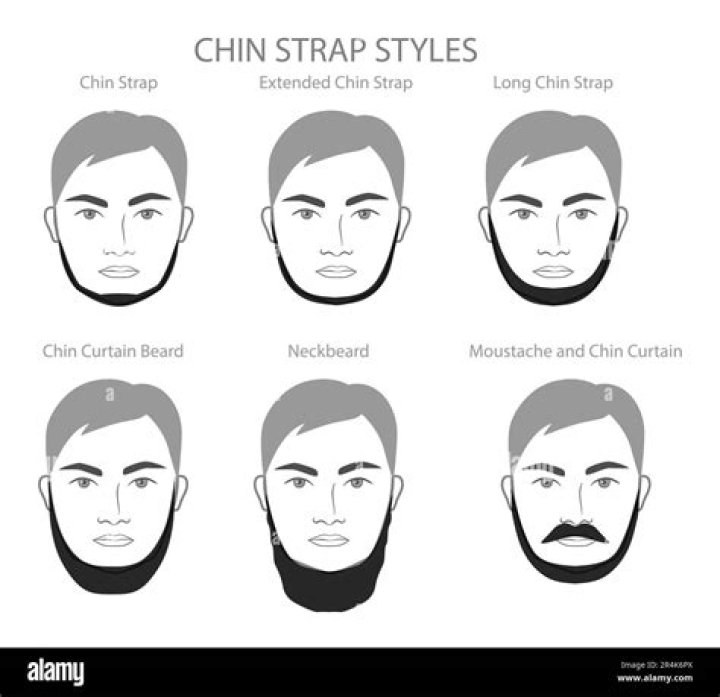
- If you have a beard or mustache, shampoo facial hair regularly. ...
- Gently clean your eyelids.
What autoimmune disease causes seborrheic dermatitis?
Psoriasis is an autoimmune disease. That means your immune system is sending out faulty messages, and your body responds by growing skin cells too quickly. Psoriasis plaques are itchy like seborrheic dermatitis, but they can also be painful.
Will hair grow back after seborrheic dermatitis?
Is hair loss permanent? Any hair loss that occurs as a result of seborrheic dermatitis is usually reversible. Typically, the hair will grow back once a person has received treatment for the inflammation that triggered the hair loss and stopped scratching or rubbing the scalp.
How long does it take to get rid of seborrheic dermatitis on scalp?
If associated symptoms are mild, many patients will exhibit improvement in signs and symptoms of SD within 1 to 4 weeks.
Can seborrheic dermatitis spread to ears?
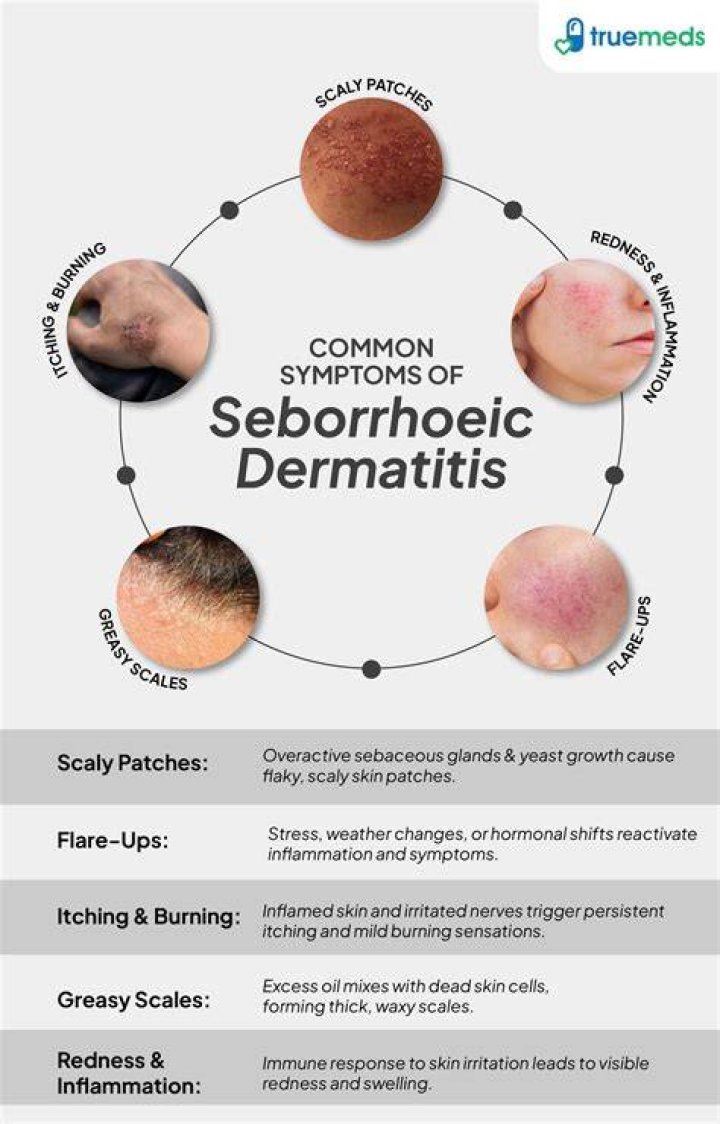
Seborrheic dermatitis can occur on different body areas. It often forms where the skin is oily or greasy. Common areas include the scalp, eyebrows, eyelids, creases of the nose, lips, behind the ears, in the outer ear, and middle of the chest.
Is seborrheic dermatitis a fungus?
Abstract. Seborrheic dermatitis is a superficial fungal disease of the skin, occurring in areas rich in sebaceous glands. It is thought that an association exists between Malassezia yeasts and seborrheic dermatitis. This may, in part, be due to an abnormal or inflammatory immune response to these yeasts.
Should I moisturize seborrheic dermatitis?
Seborrhoeic dermatitis can't be totally cured, but often symptoms can be controlled almost completely. Once daily use of a facial moisturizer, and use of a hair conditioner after shampooing may be very helpful.
Does Vaseline help seborrheic dermatitis?
Petroleum jelly is NOT recommended if you have seborrheic dermatitis. Using it tends to worsen seborrheic dermatitis.
Does brushing hair help seborrheic dermatitis?
As we outlined above, dandruff is a problem of buildup. By helping to loosen natural scalp buildup, including the layers of sebum and old skin cells that provide food and shelter to Malassezia, scalp brushes could help your scalp get healthy again.
Does Sun help seborrheic dermatitis?
Although exposure to sunlight is thought to be beneficial in seborrheic dermatitis due to inhibition of Pityrosporum ovale and Langerhans cell suppression,[24,28] we found that sunlight was considered a triggering factor in some patients.
What is the best way to get rid of seborrheic dermatitis on the scalp?
TREATMENT OF SCALP AND BEARD AREAS. Many cases of seborrheic dermatitis are effectively treated by shampooing daily or every other day with antidandruff shampoos containing 2.5 percent selenium sulfide or 1 to 2 percent pyrithione zinc. Alternatively, ketoconazole shampoo may be used.
Is seborrheic dermatitis cancerous?
Seborrheic dermatitis is usually caused by an overabundance of a normally harmless skin yeast, also called Malassezia. The yeast produces toxic substances that irritate the skin and make it itch. Stress and physical illness can lower an individual's resistance to the yeast.
What part of the body does seborrheic dermatitis affect?
Seborrheic dermatitis is a common type of rash. It causes red, scaly, greasy skin. It occurs on skin that has oil glands, such as the face, scalp, ears, back, and upper chest. A common type of scalp seborrheic dermatitis is dandruff.